28
Sunak touts economic turnaround as public distrust in Labour’s fiscal plan deepens
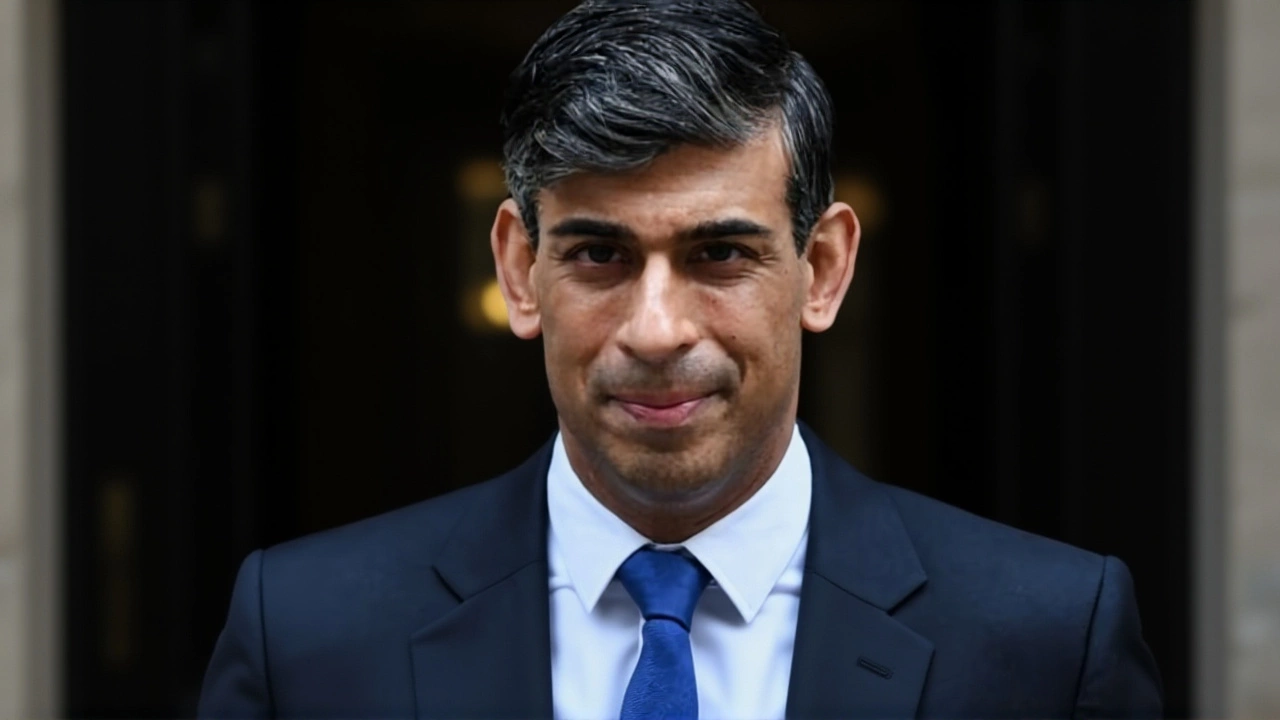
British Prime Minister Rishi Sunak declared the UK economy is "turning a corner" on November 27, 2025 — a bold claim that landed like a spark in a dry field. Just days after the Office for Budget Responsibility (OBR) slashed its five-year growth forecast and as public anger over living costs swelled, Sunak’s optimism felt less like a forecast and more like a plea. His statement came amid simmering discontent within his own Conservative Party, where senior figures are quietly questioning whether he’s still the right leader to challenge Labour’s grip on economic credibility. The twist? The public isn’t buying it — and they’re not buying Labour’s plan either.
Revising Growth, Revising Expectations
The Office for Budget Responsibility’s November 2025 Economic and Fiscal Outlook delivered a sobering update: cumulative GDP growth from 2025 to 2029 is now projected at 7.6 percent, down from 8.4 percent in March. That’s a 10% drop in expected growth over just eight months. Yet, oddly, the OBR raised its 2025 growth forecast by 0.5 percentage points — a nod to stronger-than-expected quarterly data. It’s a classic case of short-term relief masking long-term fragility. The Resolution Foundation, a respected think tank, called this "a fiscal sleight of hand," noting that while the immediate outlook brightened, the next two years will see borrowing surge as the government delays painful spending cuts. "The pain has been chalked in for 2028 and beyond," their report warned. That’s not a forecast — it’s a countdown.Who’s to Blame? The Public Can’t Decide
An Ipsos poll released in late November 2025 revealed a nation caught in a paradox. Fifty-one percent of Britons say they feel worse off since Labour took power in July 2024. Yet only 17 percent believe Chancellor Rachel Reeves is doing a good job. Nearly half — 49 percent — think she’s doing a bad job. And here’s the kicker: 31 percent believe Rishi Sunak would do a better job. Another 31 percent think he’d do worse. That’s a dead heat between a former Conservative chancellor and a Labour incumbent — a sign that trust has evaporated across the board.When asked whether they’d prefer lower taxes or higher public investment, 38 percent chose tax reduction. Only 30 percent backed increased spending. Even among those who voted Labour, the preference for fiscal restraint is growing. "There’s still no clear consensus," said Gideon Skinner, Senior Director of UK Politics at Ipsos. "But the mood is turning in favour of more balanced budgets and lower taxes — just as the Chancellor indicates that further tax hikes may be necessary."
The Osborne Ghost in the Room
The Institute for Government pointed out something the media has largely ignored: Sunak’s current fiscal strategy reverses the austerity playbook of George Osborne. Back in 2010, Osborne slashed spending to tame the deficit. Now, Sunak’s team is signaling a shift — not toward spending, but toward tax discipline, even if it means borrowing more in the near term. It’s a gamble: delay the pain, hope growth picks up, and avoid the political fallout. But as the Resolution Foundation noted, the 2021 Corporation Tax hike — first cut, then sharply raised — was one of only two tax tightenings since 2010 where the bulk of the revenue impact came in the final two years. That’s the pattern repeating. And it’s not working.
Migration, Tax Cuts, and Economic Logic
The Telegraph didn’t mince words: "Leaking the Budget isn’t the worst thing the OBR has got wrong." Its editorial highlighted a baffling move: Sunak delayed cuts to migration in 2023 to fund tax cuts for higher earners. The logic? Lower immigration would reduce pressure on public services — so why not delay it to pay for tax relief? Critics called it "warped economic logic." The OBR didn’t dispute it. They just noted it. That’s the problem. The rules of fiscal responsibility are being bent — and no one’s calling it out.What’s Next? The Red Briefcase and the Rising Tide of Doubt
Rachel Reeves’ Autumn Budget, due in early December, will be her defining moment. Will she raise taxes on households to fund public services? Will she slash welfare to balance the books? Or will she try to thread the needle — raising taxes on corporations and capital gains while protecting low-income families? The public is watching. And they’re not hopeful. The Ipsos data shows 53 percent believe Reeves’ decisions have made them less confident the economy will grow. Only 16 percent feel more confident. That’s a net loss of 37 percentage points in public faith.Meanwhile, Sunak’s party is fracturing. Senior MPs are privately urging him to challenge Labour’s economic narrative — not with policy, but with personality. "He needs to stop sounding like a spreadsheet," one senior Conservative told the Financial Times. "The public doesn’t want a technocrat. They want someone who gets their struggle."
Why This Matters
This isn’t just about budgets or growth forecasts. It’s about legitimacy. When half the country feels worse off under a government they voted for — and nearly as many think the opposition might do better — you’re not in a political crisis. You’re in a democratic one. The UK’s economic story is no longer about who’s right. It’s about who’s trusted. And right now, no one is.Frequently Asked Questions
Why did the OBR revise its GDP forecast downward?
The OBR revised its five-year GDP growth forecast from 8.4% to 7.6% between March and November 2025, reflecting weaker long-term productivity trends and higher borrowing costs. While 2025 growth was upgraded slightly due to stronger recent data, the outlook for 2026–2029 deteriorated as public sector investment stalled and private sector confidence waned. The Resolution Foundation noted this reflects a broader global slowdown, not just UK-specific issues.
Why are Britons feeling worse off under Labour?
Despite Labour’s promises of economic renewal, inflation remains stubbornly above 3%, wage growth lags behind prices, and public service delays have worsened. The 51% of Britons who say they’re worse off cite rising energy bills, longer NHS waits, and the absence of immediate cost-of-living relief. Even those who voted Labour express frustration that promises haven’t translated into daily improvements — fueling a sense of betrayal.
What’s the connection between Rishi Sunak’s 2021 tax policy and today’s fiscal challenges?
In March 2021, Sunak cut Corporation Tax from 19% to 17%, then reversed course by 2023, raising it to 25%. The Resolution Foundation found this move delayed the bulk of tax revenue gains until 2024–2025, creating a fiscal cliff. Now, with revenue falling short, the government faces pressure to raise taxes again — but voters are exhausted by the cycle. This pattern of short-term fixes is eroding trust in fiscal planning.
Why is public preference for lower taxes over spending increasing?
Ipsos polling shows 38% of Britons prefer lower taxes or reduced borrowing, compared to 30% who want higher long-term investment. This shift reflects growing skepticism that public spending will deliver results. After years of austerity followed by pandemic spending, many now see government as inefficient — not as a solution. Even among younger voters, trust in state-led economic fixes is declining.
What could Rachel Reeves do to regain public trust?
She needs to offer clarity, not complexity. A transparent, phased plan that links tax increases to specific, visible improvements — like NHS waiting times or school funding — could help. But she must also acknowledge public pain. So far, her messaging has been technocratic. To win back confidence, she must speak to emotions, not just economics — and show that her policies are designed for real people, not just balance sheets.
Is Rishi Sunak still a credible political force?
Despite being out of office, Sunak remains a formidable figure. His 31% approval rating over Reeves in the Ipsos poll shows he still resonates as a symbol of fiscal discipline. But his credibility is tied to his past — the 2021 tax flip-flop and delayed migration reforms have damaged his reputation as a steady hand. He’s not a candidate, but he’s a benchmark — and right now, he’s the standard against which Labour is being judged.